Say yes. Figure it out. Pass it on.
Here's where that comes from.
There's a school kitchen, a rescue, a gym, a couple of ice cream shops and a learning design business in this story. There are also people who showed up for me, people I wish I could talk to again and kids I want to show up for now.
It explains a fair bit about how I work, and what I want to do with the time I've got.
Where it starts
Dad, and the people who showed up afterwards
My dad, David, died when I was twelve. He was forty-one.
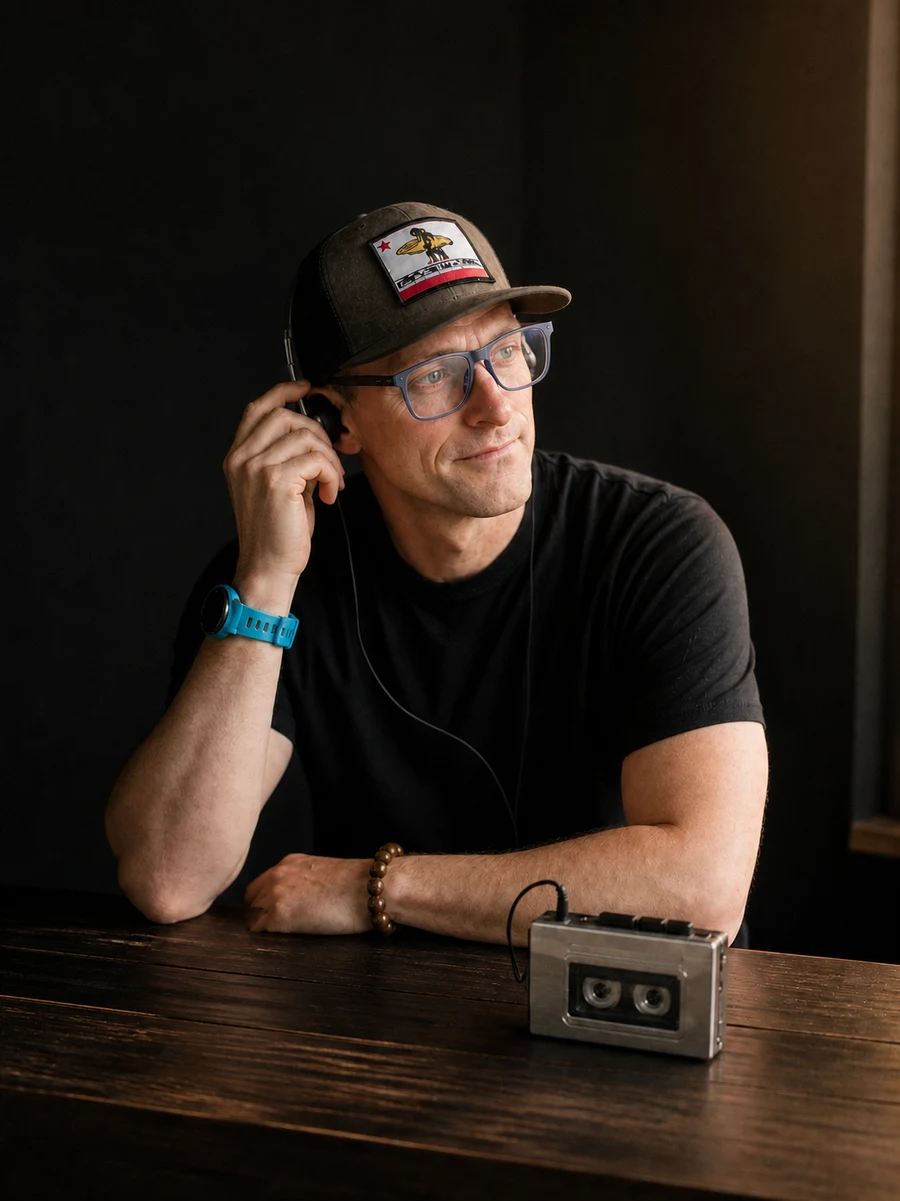
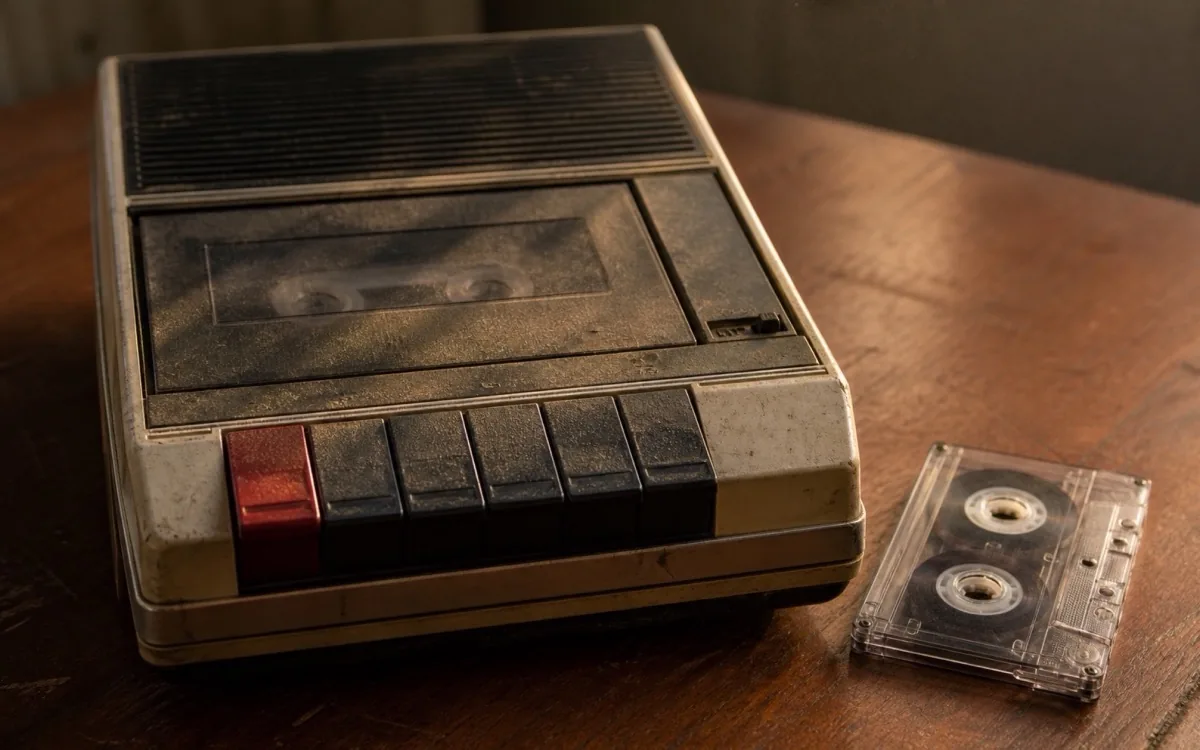
He left my brother and me a cassette: thirteen minutes and twenty seconds, recorded when there wasn't much time left. I still have his voice. There's a lot I never got to ask him.
As I grew up, I found pieces of what I needed in other people. Teachers, coaches, mates' dads, mentors. Later, bosses, clients and the lifesaving crew. Different people helped me work out different parts of life.
I think about that when I think about being an uncle. You can make a difference by being one of the adults who turns up, pays attention and shares what they know.
The business philosophy
Say yes. Figure it out.
At seventeen, I started a business selling gingerbread houses to teachers out of the school kitchen.
At twenty-two, I was about to quote a thousand dollars for a week of facilitation work. The client asked, "You mean twenty thousand, right?" I said yes. Then I went home and worked out how to earn it.
That became a familiar way of doing things: see an opportunity, back myself, learn what I needed and get to work. Personal training, a gym, ice cream shops, Learn Awesome, books and talks.
"Say yes. Figure it out." is my philosophy for business. There's usually a gap between spotting what's possible and knowing exactly how to do it. I enjoy working in that gap.
The water
Someone else's Rock saved my life
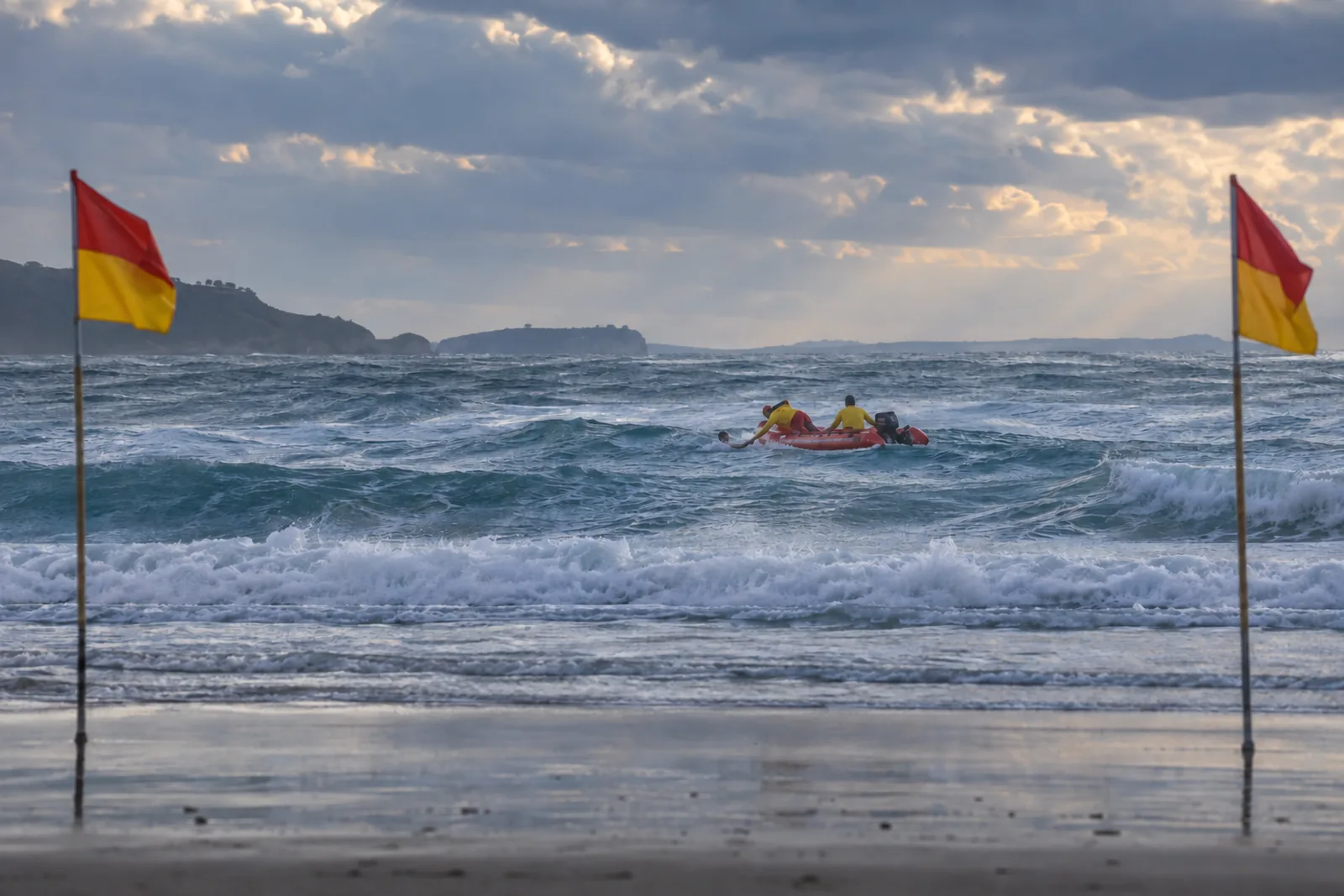
At twenty-one, I got into trouble in the ocean. I could swim. That didn't mean I could get myself out.
Someone else did.
I went on to become a lifeguard and spent eight years helping other people out of the water. Something I'd struggled with mattered enough for me to get good at it.
Someone else's Rock can save your life. Your Rock might do the same for somebody else.
The harder lesson was learning that I didn't have to turn every weakness into a strength. I spent years trying. If something mattered, I thought I had to be the person who could do it. That's a lot to carry.
2015
Mum, and a business that still needed me
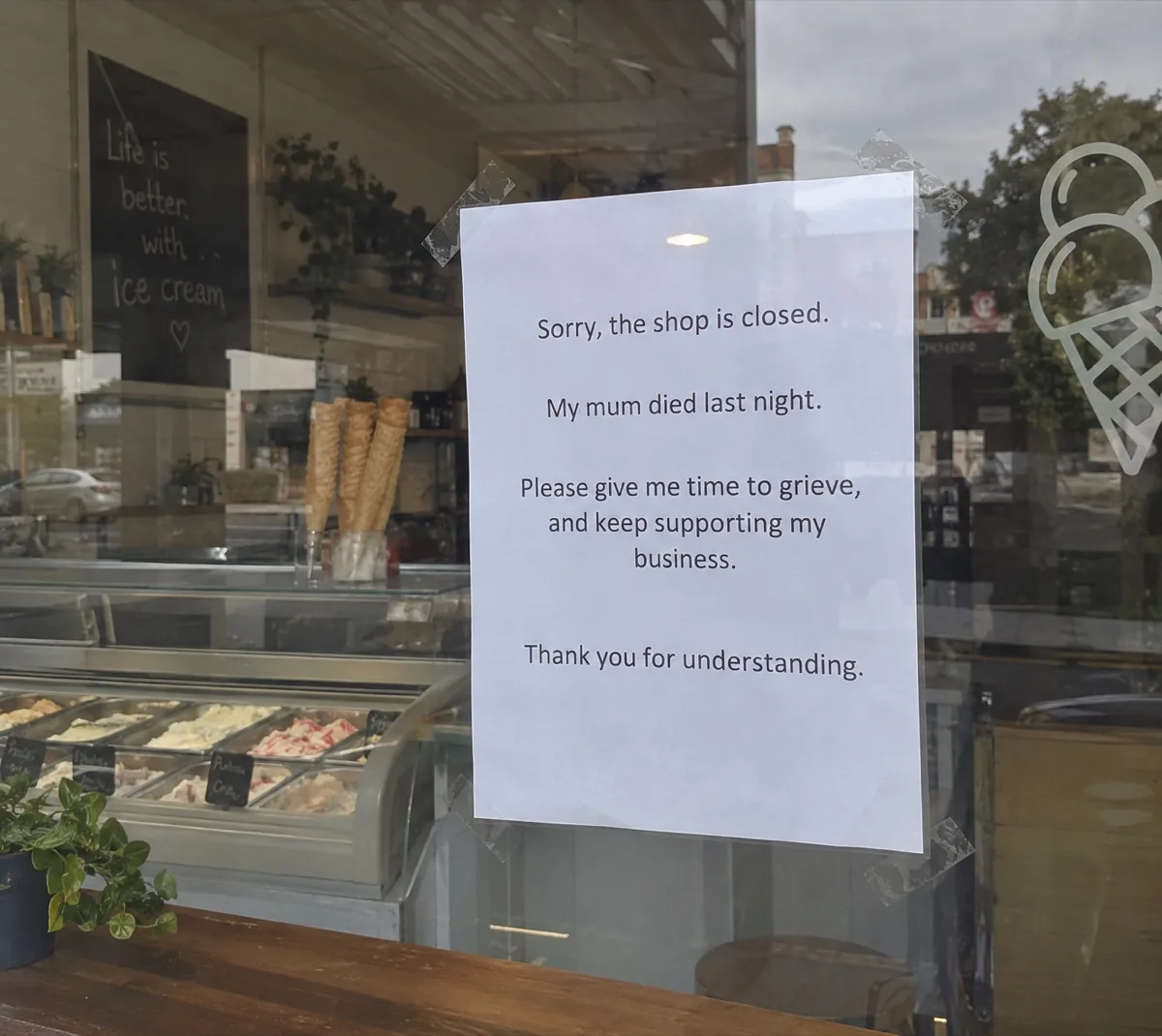
My mum, Karen, died suddenly in 2015. I was twenty-nine.
I had ice cream shops. People were kind. The rent still needed paying and the business still needed someone behind the counter.
I learned how little room I'd left for life to happen. I wanted to build work that could keep going when I needed to step away. I wanted choice about where my time went and who got it.
That changed how I thought about building a business, working with other people and what I actually needed to be good at myself.
The approach that came out of it
Rock. Do. Suck.
Two questions help me sort it out: Does it matter? And am I any good at it?
Rock
Protect the things that matter and that you're good at. Give them the time and attention they deserve.
Do
When something matters and you aren't good at it, choose how to handle it. Learn enough to do the job. Know enough to ask good questions. Use tools. Get help from someone who rocks. Occasionally, decide it matters enough to become one of your Rocks.
Suck
Give yourself permission to be bad at things that don't matter to you. You've got a finite amount of time.
There's another trap: being good at something that no longer deserves your time. Being capable of doing it doesn't mean you need to keep doing it.
For me, this became practical. Build a team. Work with people whose strengths are different from mine. Make room for the people and projects I care about.
Try it on your own list
Two questions sort the whole lot.
Does it matter? And are you any good at it? Rock at the few things that matter and you're brilliant at. Do enough at the things that matter and you're not, or let AI or someone who rocks carry them. Happily suck at the rest. Press a square.
Press a square to see the move
Rock. Protect your few.
This is the short list of things that matter and that you're genuinely brilliant at. It's shorter than you think, and you can't see it while you're grinding. Guard the time for it, because everything else on the list exists to keep this one clear.
The ego trap.
You're good at it, so it feels productive, and nobody actually needs it. This is where a lot of busy weeks go. The tell is that it's comfortable. Notice it, enjoy it if you want, and don't let it eat the time your few need.
The choice point. This is where Do lives.
It matters and you're not good at it. For years my only move here was to grind it into a rock and carry it myself. There were always more options than that.
The Do moves
Happy suck.
It doesn't matter and you're no good at it. Let it go, and mean it. This is the permission that arrives last and costs the most, because it's easy to believe every weakness is a job. It isn't. Most of them are just not yours.
Now
Professional uncle
I'm an uncle to my niece and a growing crew of kids who aren't related to me. I take it seriously.
I know what it means when an adult has time for you. I want to be someone those kids can make things with, ask questions of and count on to be interested.
That's where Press Start Together comes in. A significant adult and a kid, building a retro video game together. We use game mechanics and AI to explore systems, rules, decisions and what happens when you try something, test it and change it.
They get a game they helped make. We get time together. There's a lot of learning tucked inside both.

Pass it on
What I want to do with the time I've got
I have thirteen minutes and twenty seconds of my dad's voice. I have no video of my mum.
I can't go back and change that. I can record things now. I can help other people start. I can make time for the kids in my life and share things it took me years to figure out.
My TEDx talk, Legacy in Bytes, runs thirteen minutes and twenty seconds. The recording Dad left is part of why I gave it, and why I keep talking about this.
Passing it on takes a few forms these days: books, talks, the Lab, working with businesses, time with kids and helping families record their stories.
Say yes. Figure it out. Pass it on.
"Never did I imagine that a talk could bring tears to my eyes. Steve has stirred a behaviour change in me and I have started to record my legacy."
UtkarshTEDx audience"His story reached my heart, inspiring a loving change of mind and action."
TEDx audienceYouTube commentOne more thing
And Batman?
I love a superhero whose ability comes from learning, preparation, tools and help from other people. That appeals to a learning designer who likes figuring things out.
I've got the enthusiasm and a growing collection of tools. Still working on the cave.
Got something in mind?
A challenge, an idea, a room full of people. Tell me what you're thinking.